
The Role Model in Tennis
Few activities are more target-rich for finding role models than our sport of tennis. Tennis, with its global reach and generations of icons, offers the aspiring player an embarrassment of riches. Every star player’s persona is an extension of those who came before them, tennis’ version of natural selection, each era adopting the effective traits of the era before, all while adding their own personal flair. Whether it’s the style, fashion, technique, or grace of today’s professionals, or closer to home, with who first placed a racquet in your hand or the mentor at your local club who gave of his time to help you learn, role models are everywhere in tennis, the living curriculum of our sport.
From the beginning, we imitate before we innovate. It’s the tennis blockchain; everything is added onto the foundation before. The grace of Federer, the grit of Nadal, the style of Agassi, the poise of Sampras, they didn’t invent these qualities; they adopted and refined them. As students of life, we study, emulate, and then adapt, absorbing the traits we see in others that resonate deeply within ourselves, then adding our own personal spin, as a personal identity internally begins to form.
We don’t just take what we like; we adopt, refine, and make these qualities integral parts of ourselves. Traits like humility in victory, grace in defeat, determination and resiliency when facing adversity, all the coveted traits of the emotionally intelligent. Observing others manage the challenging tennis life with equanimity and class leaves a more profound impression upon us than a thousand words of advice. The magic alchemy of having a role model. Helping us change how we conduct ourselves without ever being told.
As our games develop, mentors and coaches step into that teaching role. They help model how we train, how we compete, how we respect opponents and the game, and, mostly, how to find the deeper meanings in our tennis quest beyond our oft-unspectacular results. The best mentors are not just performance-enhancing but life-enhancing, demanding excellence from us in all our affairs and ever reminding us that our results are simply that, not a referendum on our worth.
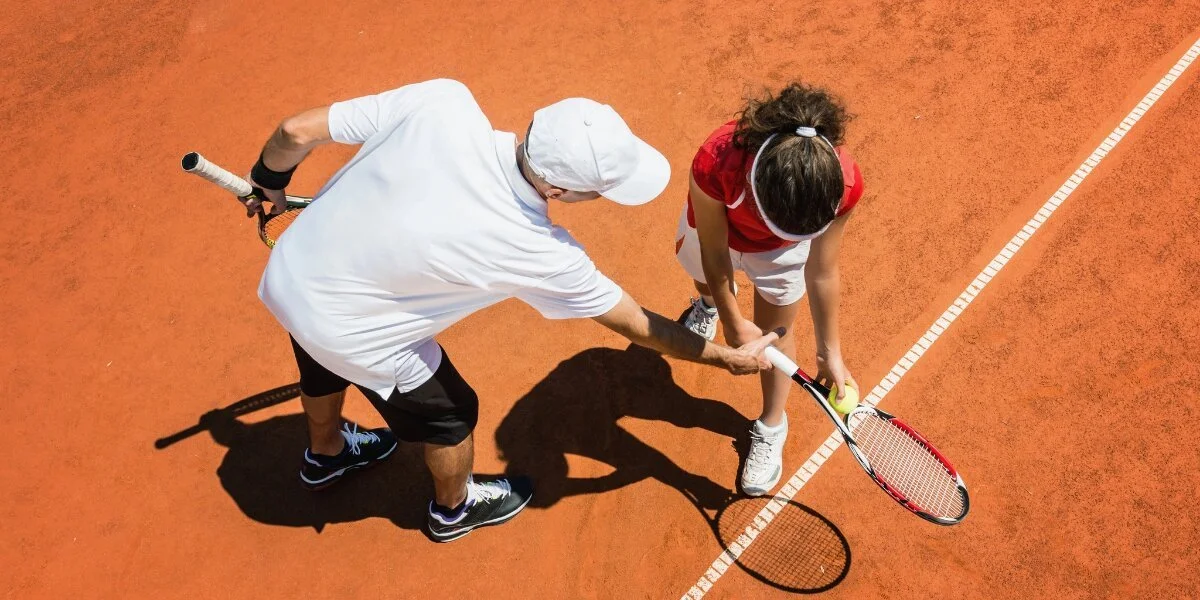
Then there are our role models on the professional tours—the players whose otherworldly athleticism and abilities, combined with their style, personality, and character, captivate us. They all have stories, many of which mirror our own, creating an instant bond. But the ones who leave the deepest mark embody something beyond their outsized talents, their tireless quest toward greatness showcasing all the qualities we hope to employ on our own personal journeys.
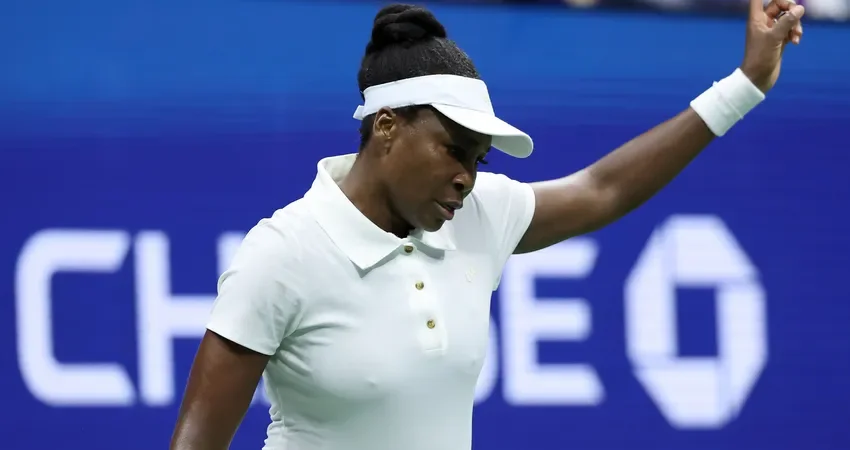
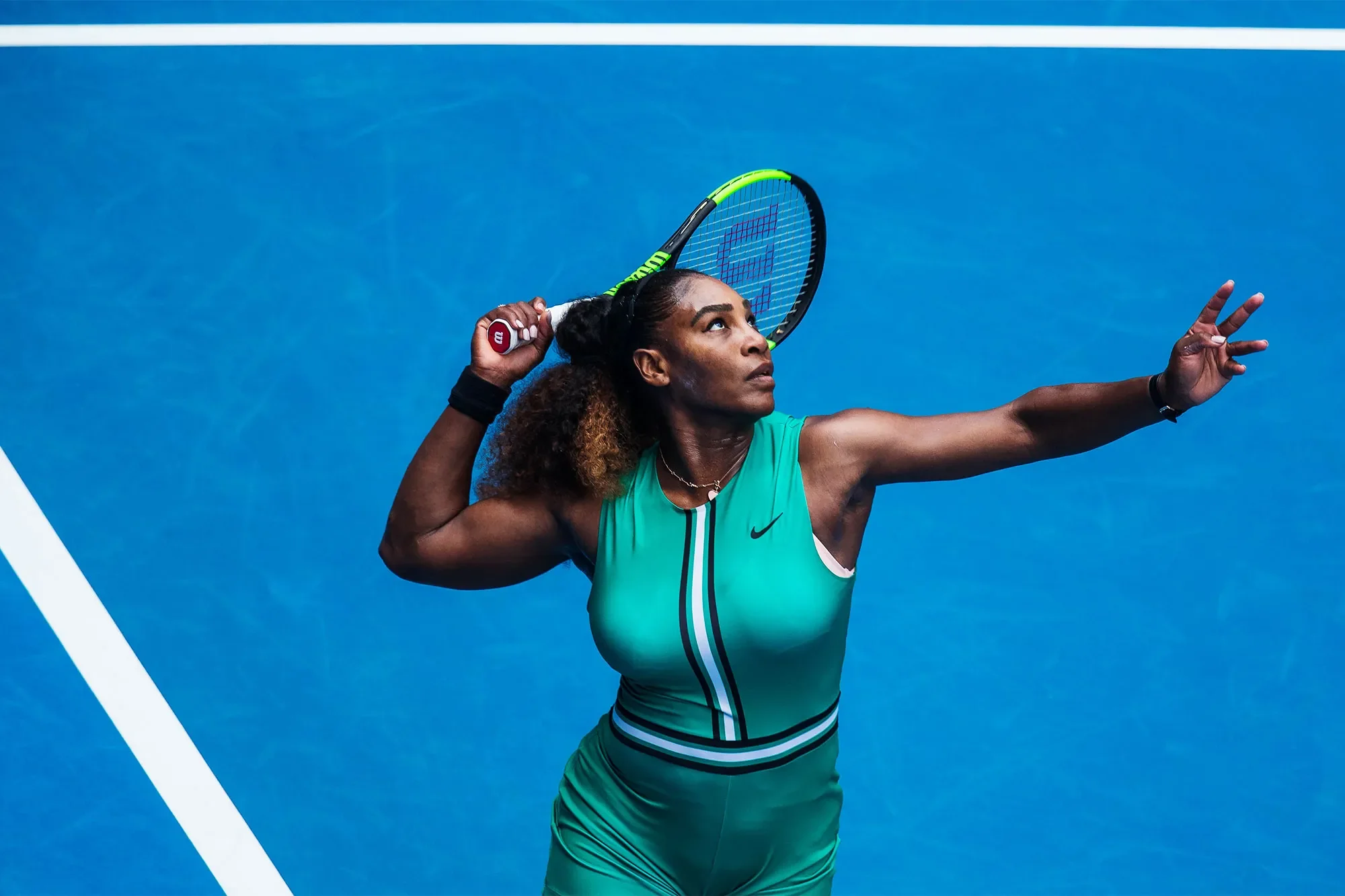
And then there are the true trailblazers—Billie Jean King, Arthur Ashe, Althea Gibson, Martina Navratilova, Venus and Serena Williams, whose impact transcends the game itself. They remind us that success on the court carries enormous responsibility: to use our platform for something far greater than ourselves.
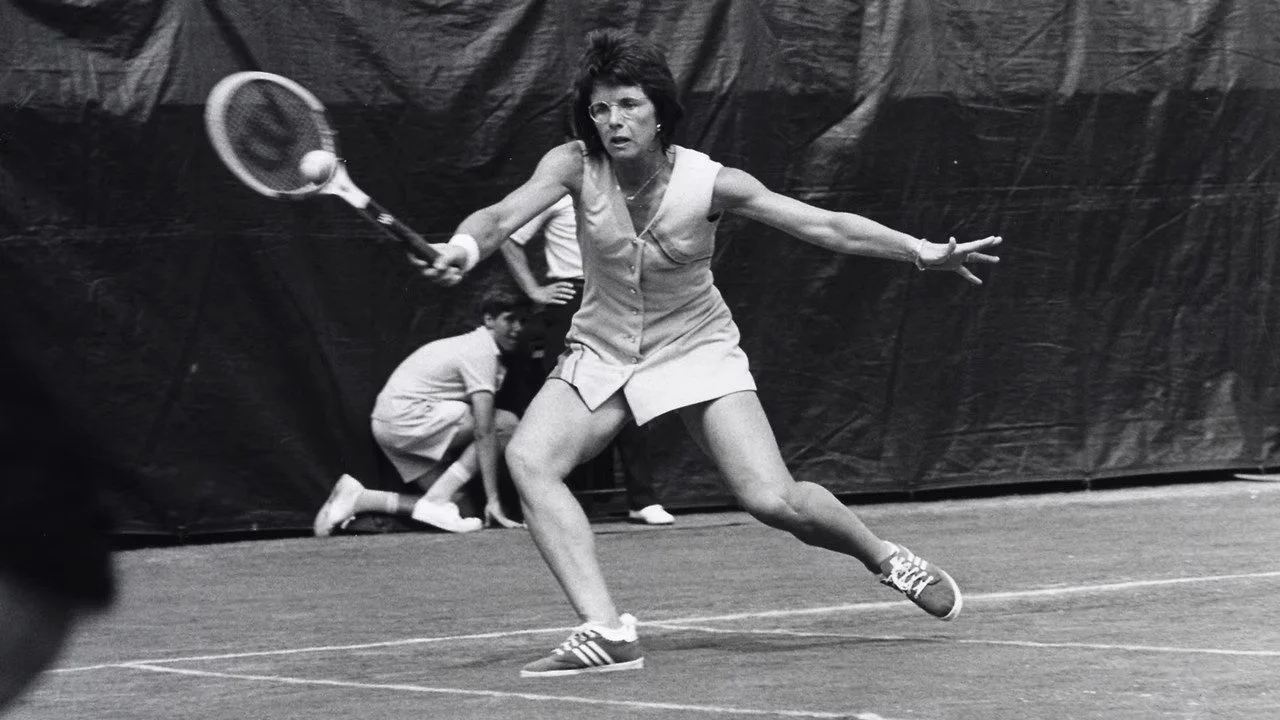
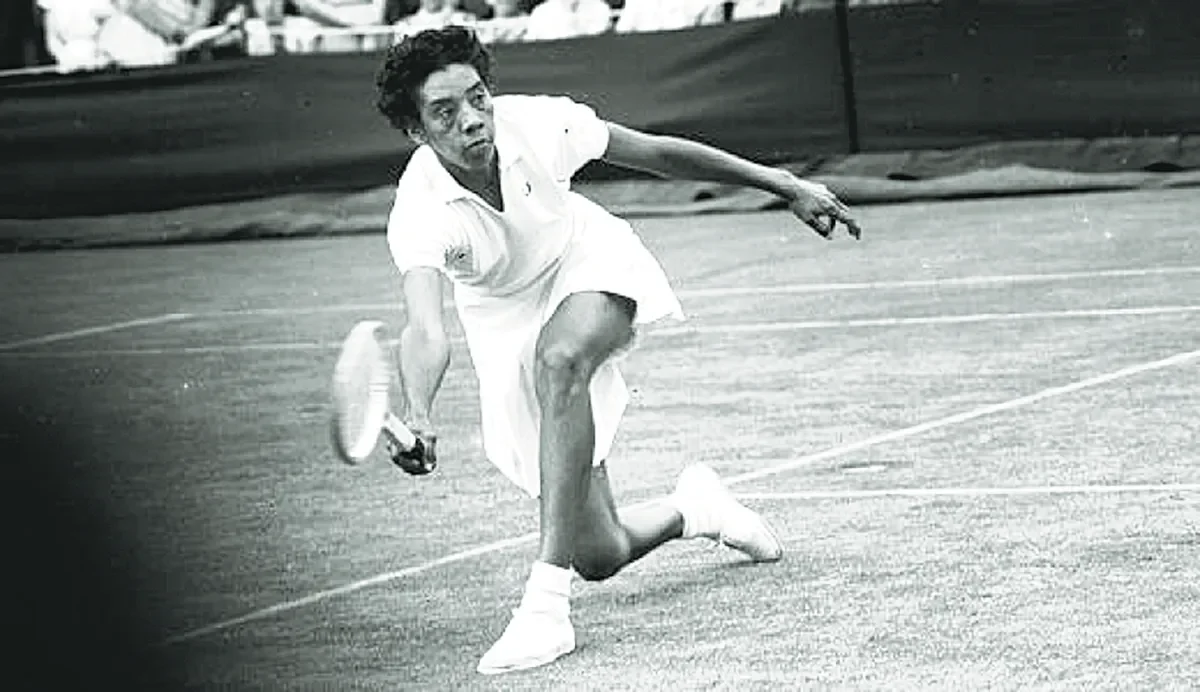
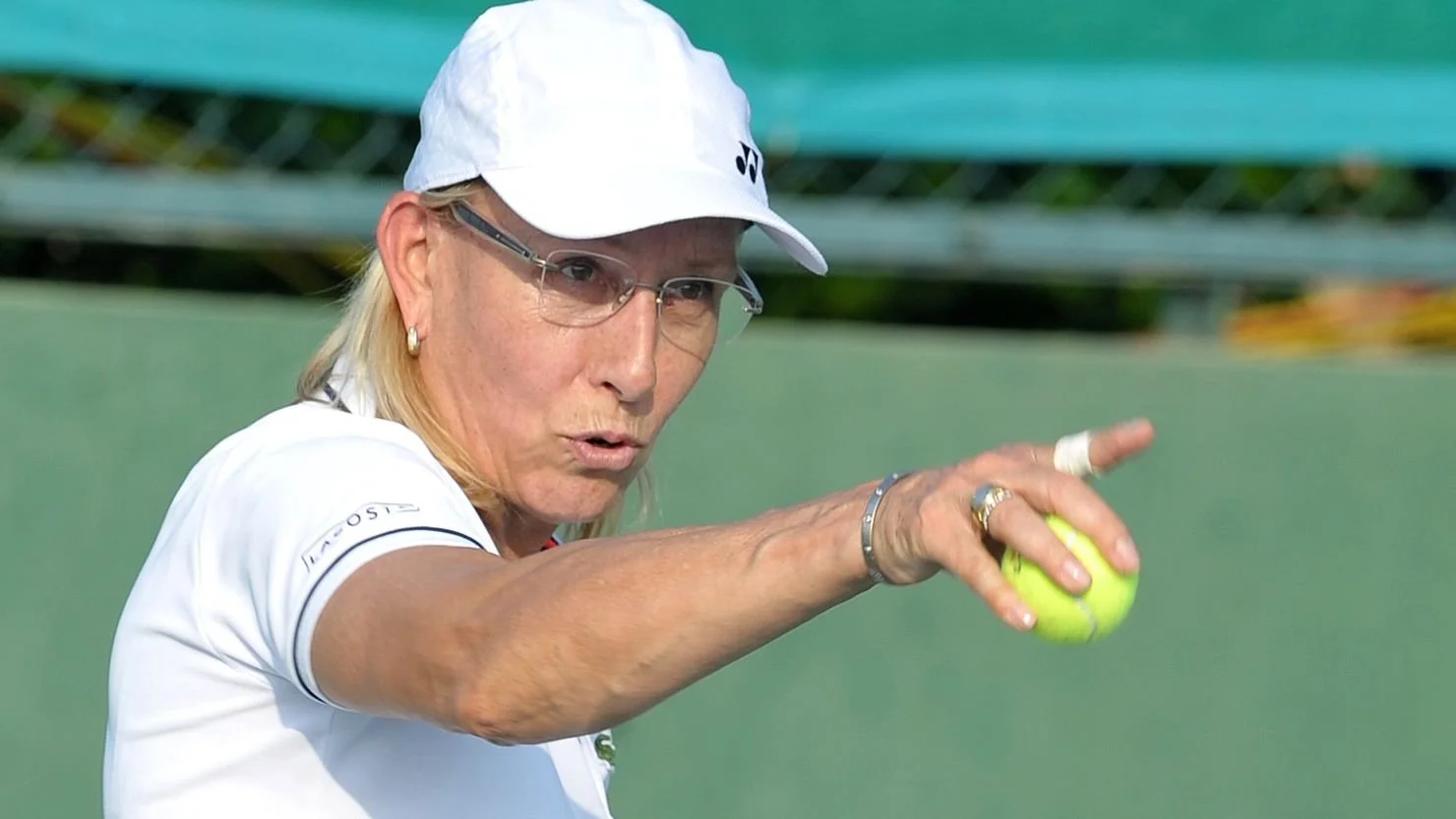

Role models, in this sense, become emotional mirrors. They help us envision the kind of competitor, and person, we aspire to be. Great players do not possess a monopoly on life-affirming attributes. So though we may never be able to play like them, we can carry ourselves like them. And that’s the beauty of understanding emotional intelligence. It’s freely available to us all.
Which leads to the most crucial point of FBTL’s Role Model series. Whether you are on center court or a back court, we are all role models to someone. You just never know who’s watching you, what someone else might be going through, or how much your example might mean to them. My father once told me a story about Rod Laver calling his own ball out in the middle of a match, an example of fairness and integrity that far exceeded the outcome of a single point. Laver was an ambassador of tennis, insisting it be played and competed in the fairest, most gentlemanly of ways. Compare that to today’s headlines, where we see players consistently pushing the boundaries of morality and fairness to get ahead. Laver wanted nothing that wasn’t rightfully his. That was his gold standard, one we would all benefit from emulating ourselves.
As a coach of 40 years, I ask every new student I meet who their favorite player is. For the longest time, it was the usual suspects. Federer and Nadal, Williams and Graf. Lately, though, especially when I ask my younger boys, the answer has been almost unanimous: Nick Kyrgios. That tells you a lot about the power of personality, flawed or not, in connecting with others. Role models don’t have to be perfect; they have to be real.
I used to take my students to Indian Wells every year. I’d send them out, tell them to sit on a practice court, find a player who resonates with you, someone you’d like to not just play like but be like, and ask them for a picture. And one of my younger favorites came back with this picture.
trying to find this picture..its awesome 11 year old Sebastian and 7 foot( Karlovic)
Asking him later what he liked most about Dr Ivo, he replied I want to be 7 feet tall and serve bombs!!
Ah, Don’t we all…
Tennis will always have its share of drama and controversy, on and off the court. It’s tough out there. But the beauty of having role models is choice. You can have as many or as few as you like, no lifetime contracts required, no role model requests need be accepted. You can bench them, forgive them, give them time-outs, or simply outgrow them. After all, every player is one bad decision away from losing the public’s trust.
In our current times, there’s been an explosion of Social Media influencers whose outsized influence is measured by their number of followers. Strong Role Models don’t roll like that; they influence via attraction, not promotion. Role models lead by example, emphasizing principles over popularity. Because in the end, the most accurate measure of a role model isn’t their resume—it’s the lasting effect they, and we, as we become role models ourselves, have upon others.